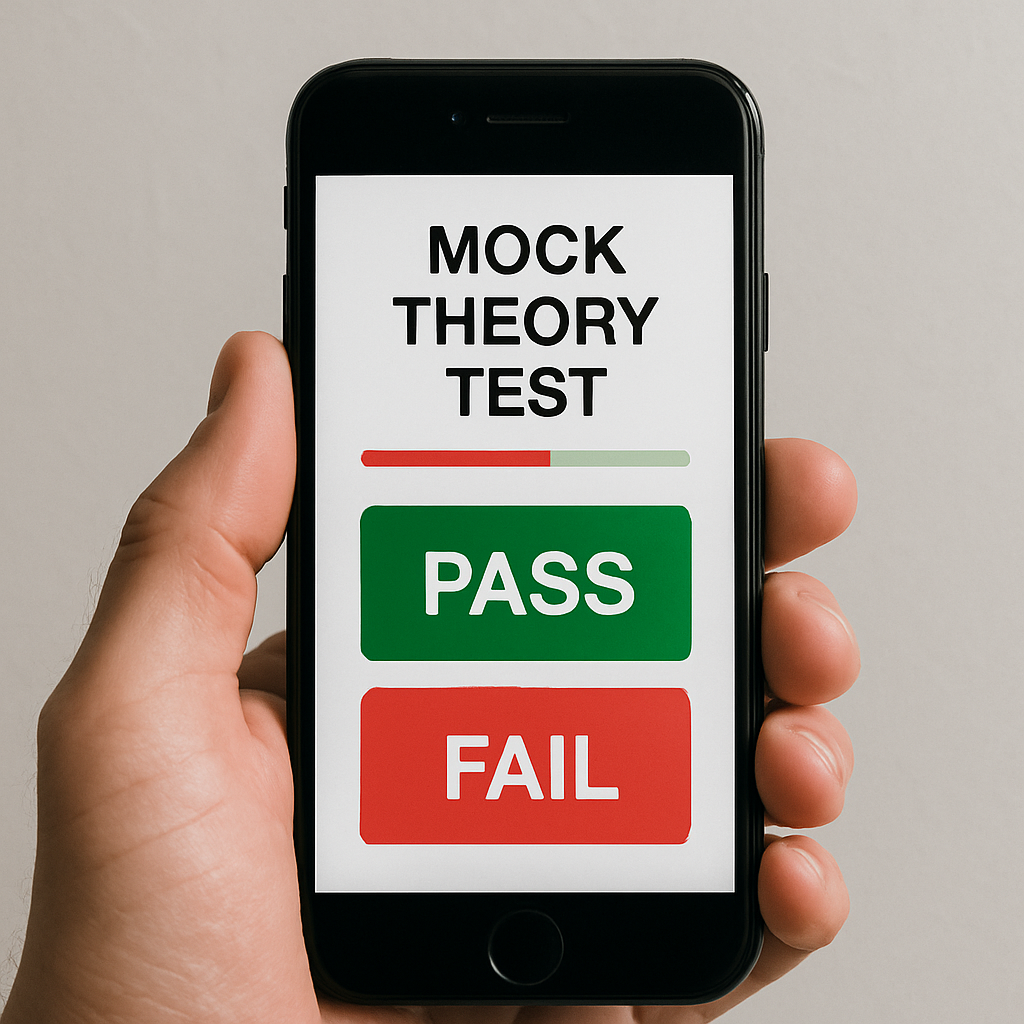
Ensure a stress-free driving exam with our detailed driving test checklist. From essential documents to vehicle safety checks, master every aspect for success.
Ensure a stress-free driving exam with our detailed driving test checklist. From essential documents to vehicle safety checks, master every aspect for success.
Test Centre: Wood Green
Date: 22nd April 2026
Test Centre: Pinner
Date: 31th April 2026
Test Centre: Croydon
Date: 4th May 2026
Test Centre: Erith
Date: 7th May 2026
Test Centre: Barking (Tanner Street)
Date: 9th May 2025
Test Centre: Isleworth
Date: 18th May 2026
Test Centre: Hendon
Date: 4th May 2025
Test Centre: Hither Green
Date: 27th May 2026
Test Centre: Tolworth (London)
Date: 1st May 2026
Test Centre: Tolworth (London)
Date: 1st May 2026
Worried you’ll show up to your driving test and realise you forgot a crucial document? It’s a common fear but one you can easily avoid. To ensure you have everything needed when using your own car, this checklist covers the exact paperwork that will have you walking into the test centre with confidence.
The night before, gather these items and place them in a single, easy-to-grab folder.
A special note on insurance: Imagine being turned away simply because your phone died or an app wouldn't load. While some test centres may accept a digital copy, examiners frequently advise bringing a physical one. In practice, a printed insurance certificate is the only guaranteed, no-risk option.
One last step can prevent last-minute panic. Before putting your folder away, quickly glance at your registration and insurance papers to confirm they haven’t expired. Verifying your documents are current is a critical step and ensures no surprises on the big day.
Before you even put the car in drive, your driving test has already begun. The first part is a simple vehicle safety check, where the examiner makes sure your car is safe and roadworthy. It’s a quick inspection, but failing it means your test is over before it starts. A single burnt-out bulb or a major crack in the windscreen could lead to an immediate cancellation.
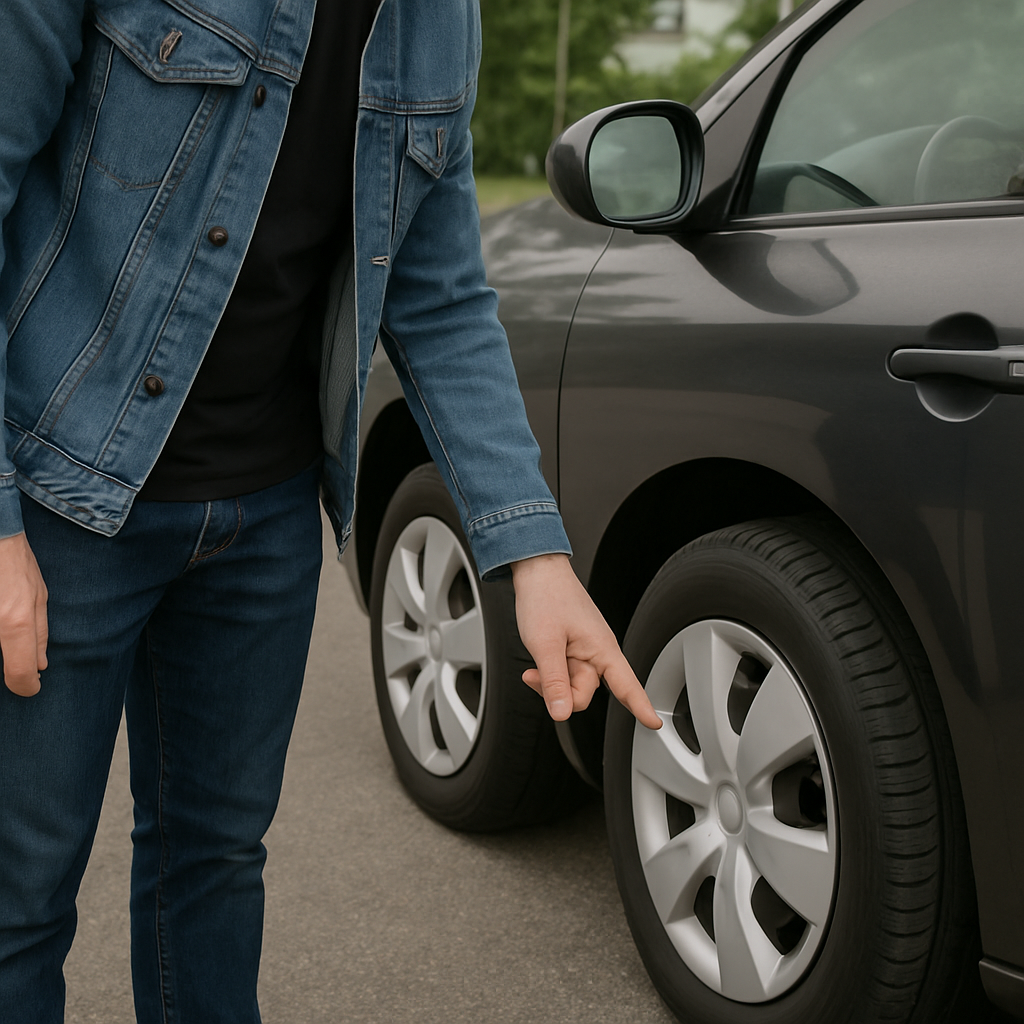
To avoid this, get into the habit of doing your own pre-drive vehicle check. The examiner will likely ask you to demonstrate that the following six items work correctly:
The easiest way to check these requirements is to do a quick walk-around with a friend or family member the night before. Have them stand outside the car while you press the brakes and activate the indicators.
This five-minute routine is one of the smartest things you can do to prepare. It ensures you won’t be disqualified for a simple mechanical issue and can focus on what really matters: showing the examiner you’re a safe, confident driver.
Once your car passes inspection, the real driving evaluation begins. While small errors might only deduct a few points, certain mistakes are so serious they result in an immediate fail. These are often called a “Critical Driving Error,” and they typically involve any action that compromises safety.
Understanding these critical errors is the best way to avoid them. While specific rules can vary, here are five of the most common mistakes that will almost certainly end your test on the spot:
Examiners aren't looking for flawless driving—they are looking for safe driving. Each of these automatic fails represents a clear and immediate risk. By focusing on being a predictable and aware driver, you can avoid these critical errors.
Avoiding critical errors often comes down to confidence built through practice. While you should be comfortable with all your skills, examiners pay close attention to three specific manoeuvres. Mastering them can be the difference between passing and failing.
When changing lanes, signalling isn’t enough. The examiner needs to see you check your blind spot, which requires an “exaggerated head check.” Instead of a quick glance, physically turn your head to look over your shoulder out of the rear side window. It may feel dramatic, but it's the clearest way to prove you are aware of your surroundings.
The turn-in-the-road is a slow, three-step sequence. First, turn forward across the road. Then, reverse toward the other kerb. Finally, drive forward into the correct lane. The secret is to always look where you’re going—when you reverse, turn your body to look directly out of the back window. Smoothness is more important than speed here.
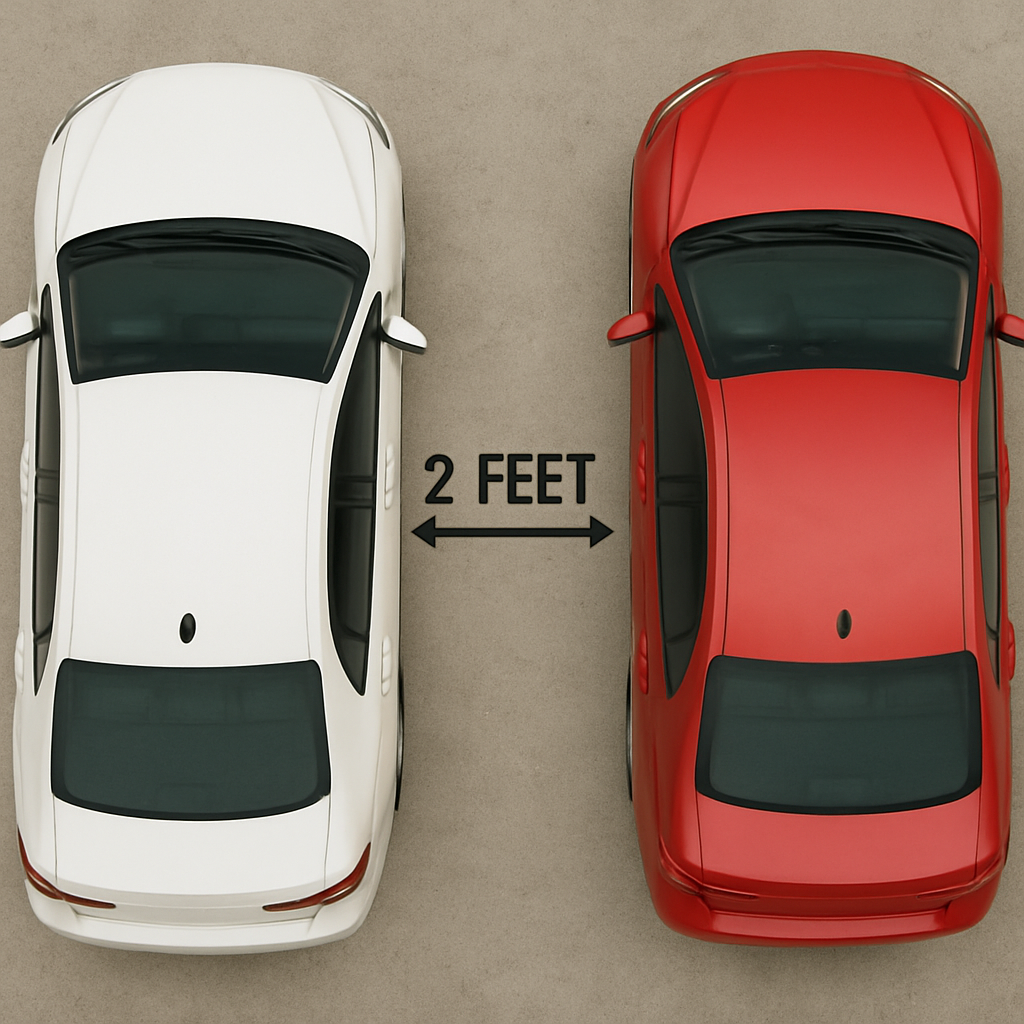
For parallel parking, the trick is to use reference points. Start by pulling alongside the front car until your rear bumpers are roughly aligned. Turn your steering wheel fully and begin reversing until your car is at about a 45-degree angle to the kerb. Then, straighten the wheel and back up until your front bumper clears the car in front, before turning the wheel the other way to guide your car neatly into the space.
Getting these manoeuvres down builds the muscle memory you need to perform well under pressure.
Have you considered which car you'll take your test in? The choice is more important than you might think, trading comfort for guaranteed compliance.
The decision boils down to one key difference: responsibility.
Your Personal Car: The biggest advantage is familiarity. You know its size, the feel of the brakes, and where its blind spots are. The major risk? You are 100% responsible for it passing the pre-test safety inspection. A burnt-out number plate light could mean an automatic fail before you even leave the parking space.
Driving School Car: This option offers peace of mind. The car is guaranteed to meet all test requirements. Many also have dual controls, giving the examiner an extra layer of safety. The only downside is that the car will feel less familiar to you.
Ultimately, if you are certain your car is in perfect, test-ready condition, its familiarity is a powerful advantage. However, if you want to eliminate any doubt and focus purely on your driving, using a pre-approved car from a school is a very smart move.
Your mindset on the day of your driving test is just as important as your turn-in-the-road. A racing heart or sweaty palms are completely normal, but a calm mind makes safer decisions. You can take control of those nerves with a few simple tricks to help you focus when it counts.
Take One Deep Breath. Before you even start the engine, take a slow breath in through your nose and let it out through your mouth. This tiny action resets your nervous system and can instantly slow a racing heart, helping you think more clearly.
Listen to the Full Instruction. A common tip from instructors is to avoid rushing. Wait for the examiner to finish their complete instruction before you start checking mirrors or signalling. Many errors happen simply from acting on an incomplete direction.
Correct Small Mistakes Out Loud. Did you almost forget your indicator? Just say, “Checking mirror, signalling, correcting,” and then perform the action safely. Verbally acknowledging and fixing a minor slip-up shows you are self-aware, which is exactly what examiners want to see.
The Examiner Isn't Trying to Trick You. Think of the examiner less like a judge and more like a satnav. They have a route and a list of skills to check off. Their job is to verify that you can operate a vehicle safely. They are a neutral observer, not an adversary.
Remember, passing your road test isn't about being perfect; it's about being safe. These mindset tricks show the examiner you have the maturity and focus to handle the responsibilities of real-world driving.
You've done the hard work. You’ve practised your manoeuvres, organised your paperwork, and checked your vehicle. With a solid plan covering your documents, your car, and your driving skills, you have replaced anxiety with confidence.
Trust in your preparation, take a deep breath, and drive safely. Now, go show the examiner what you know and walk out with your new driving licence.
📚 Part of our Driving Test Booking Guide
This article is part of our comprehensive guide. View all Driving Test Booking articles →