Discover how long you have to wait between driving tests and maximize the failed driving test waiting period to improve and succeed. Learn scheduling tips and get ready to rebook with confidence!
Discover how long you have to wait between driving tests and maximize the failed driving test waiting period to improve and succeed. Learn scheduling tips and get ready to rebook with confidence!

Test Centre: Wood Green
Date: 22nd April 2026
Test Centre: Pinner
Date: 31th April 2026
Test Centre: Croydon
Date: 4th May 2026
Test Centre: Erith
Date: 7th May 2026
Test Centre: Barking (Tanner Street)
Date: 9th May 2025
Test Centre: Isleworth
Date: 18th May 2026
Test Centre: Hendon
Date: 4th May 2025
Test Centre: Hither Green
Date: 27th May 2026
Test Centre: Tolworth (London)
Date: 1st May 2026
Test Centre: Tolworth (London)
Date: 1st May 2026
Failing your driving test feels awful. After putting in hours of practice, that single moment of bad luck or a missed observation can leave you staring at the results sheet, wondering what went wrong. Your first thought is probably the same as everyone else's: "How long do I have to wait to try again?"
While there are clear rules on waiting times, this mandatory break isn't just a rule; it’s an opportunity. Driving instructors often find that the period right after a failed test is the most productive practice window a learner can have. With the feedback fresh in your mind, your motivation to fix specific mistakes is at its peak. The real question, then, isn't just about waiting—it’s about preparing.
Instead of just counting down the days, this guide to retaking your practical exam shows you exactly what to do if you fail your driving test. It will help you decode your examiner's feedback, turn it into a focused practice plan, and walk into your next test with the confidence you need to finally get your licence.
So, how long do you have to wait between driving tests? The answer depends entirely on where you live. In the UK, for example, the Driver and Vehicle Standards Agency (DVSA) has a clear rule: you must wait a minimum of 10 working days before you can take your car driving test again. This is a firm requirement for anyone looking to rebook after an unsuccessful attempt.
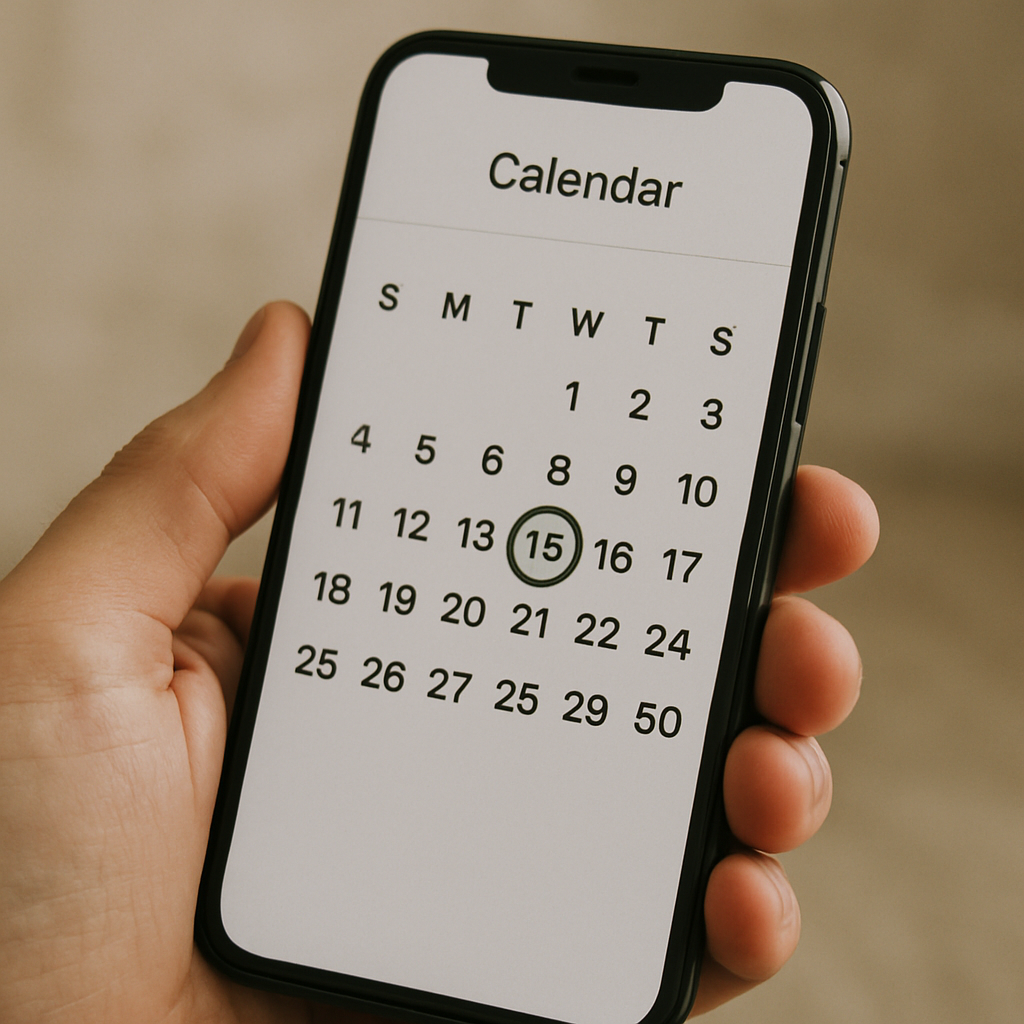
It's crucial to understand that this isn't just ten days on the calendar. The DVSA 10-day rule explained simply means ten working days, which excludes weekends and most public holidays. In practice, this means if you fail a test on a Friday, your waiting period will almost always stretch over two full calendar weeks before you are eligible to sit for the test again.
Across the pond in the United States, the failed driving test waiting period varies significantly by state. For instance, California requires you to wait 14 calendar days, giving you two full weeks to practise. In New York, however, there is no mandatory waiting time for a standard licence retest, though you will still be subject to local appointment availability, which can create its own delay.
These differences highlight why you must check the official rules with your local authority—whether it’s the DMV or DVSA—to get the definitive answer. The driving test retest waiting period isn't just an arbitrary number, though. This mandatory break exists for a very specific reason, and it’s not designed to be a punishment.
It’s easy to see the failed driving test waiting period as a penalty, like you’ve been put in the penalty box. In reality, this mandatory break is designed with two practical goals in mind, neither of which is to punish you. The most important reason is to give you a dedicated window to improve. Without this breathing room, many people would rush to book another test immediately without fixing the very issues that caused them to fail. This time is your opportunity to turn feedback into a passing grade.
Beyond your own improvement, the rule also helps manage the entire testing system. Think about what would happen if everyone could book another driving test straight away. The system would quickly become clogged with repeat attempts, making it nearly impossible for anyone—including first-time testers—to find an appointment. This minimum time between practical tests ensures that slots are used more effectively and that the queue keeps moving for everyone.
Ultimately, the waiting period is an investment in your success and the system’s fairness. It provides a structured pause for you to absorb the examiner's feedback, get valuable practice on your weak spots, and return for your next attempt feeling confident and truly prepared. The goal isn’t to delay you; it’s to make sure your next test is your last one.
That feedback sheet your examiner handed you isn't a report card of failure—it's a personalised cheat sheet for passing next time. It contains the exact, specific reasons the test was stopped or why you accumulated too many faults. Before you do anything else, sit down with this document. Knowing what to do if you fail your driving test starts with understanding precisely why you failed.
Most test reports break down errors into two types: minor faults and at least one serious or dangerous "major" fault. A major fault, like failing to yield or poor observation at a junction, results in an immediate fail. Minor faults are smaller slip-ups, like hesitating too long or slightly jerky braking. While one or two are okay, racking up too many is also a common reason for failing a driving test. Your top priority is to fix the major fault.
Instead of feeling overwhelmed by a list of mistakes, turn the feedback into a mission. This simple framework will help you focus on improving your skills for your second driving test.
Your 3-Step Feedback Action Plan:
For example, if the report flagged "use of mirrors," your next drive should be an intense mirror-checking boot camp. Have your practice partner constantly ask, “Did you check?” before every turn, lane change, and stop. By isolating and mastering your biggest weakness, you turn your biggest liability into a reliable strength.
This waiting period is your secret weapon. Instead of just counting down the days, use this time to build the confidence and muscle memory you need to pass. Following a clear plan removes the guesswork and ensures you’re making real progress. Here are the exact failed driving test next steps to transform that waiting time into a win.
Your 5-Step Retake Checklist:
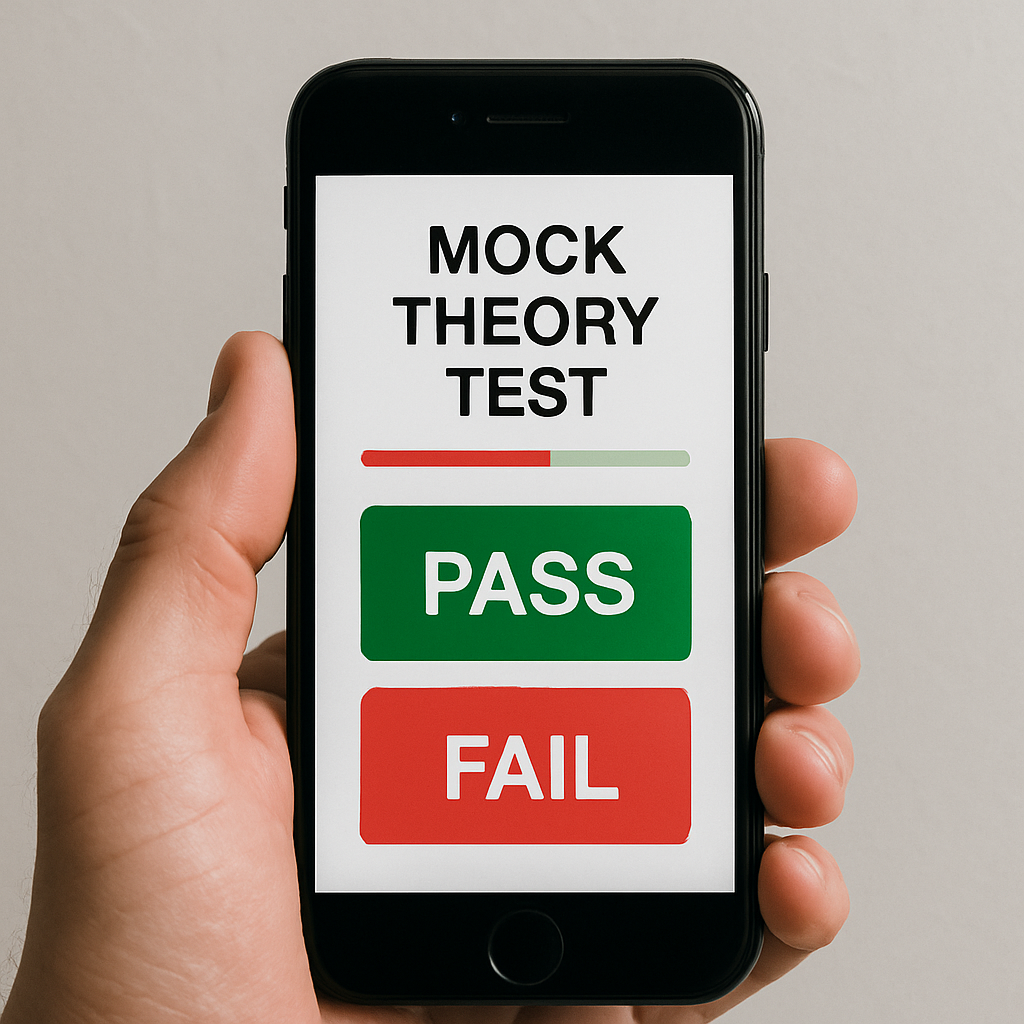
The most critical part of this guide to retaking your practical exam is step four: the mock test. Ask your instructor or a calm, experienced driver to take you on a 40-minute drive where they act exactly like an examiner—no friendly chat, just directions. This isn’t just about practising skills; it’s about practising how to handle the pressure and silence of the test environment. It’s the ultimate way to see if you’re truly ready.
For instance, if parallel parking was your downfall, your mock test must include it. Nailing a tricky manoeuvre under simulated test conditions is the final proof that you're ready. This structured approach is the key to improving skills for your second driving test. Once you successfully pass your own mock test, you’ll know you are prepared.
Waiting weeks or even months for a new test date can feel like a major setback. However, people cancel their tests every day, opening up earlier slots that you can grab. The key is knowing how to find an earlier driving test date before someone else does. This is where patience—or a special tool—comes into play.
You may have heard of services that promise to find you a quick retest. These are essentially automated tools, often called a driving test cancellation checker, that constantly scan the official booking system for you. For a fee, they'll notify you when a slot opens up. The upside is clear: it saves you time and effort. The downside is that they cost money and offer no guarantee, as you’re competing with everyone else using similar services for the same slots.
The alternative is to become your own cancellation checker, and it's completely free. The process involves manually logging into the official government booking portal (like the DVSA or DMV website) and refreshing the calendar page. New slots can appear at any time, but they are often snapped up within minutes. Rebooking your driving test after failing this way requires persistence, but it can be just as effective if you're diligent, especially if you check during typical office hours.
Ultimately, both paid services and manual checking are trying to access the same pool of cancelled appointments. Your decision comes down to a trade-off: paying for convenience versus investing your own time in booking a new driving test slot.
A fear that often creeps in after failing is, “How many times can you fail a driving test before they stop you?” Let’s put that worry to rest: there is no official limit. According to nearly every DMV retest policy, you are not banned from re-taking the test after a certain number of attempts. The system is designed to assess your safety, not to permanently penalise you for mistakes made while learning.
The real ceiling on retakes isn't a rule, but a practical one: the cost. Each time you book a new test, you’re paying another test fee. On top of that, you may also be paying for the use of your instructor’s car and a final warm-up lesson. These expenses add up, making the financial investment the true limiting factor for most people.
Instead of dwelling on a failure count, the goal is to make your next attempt your last one. Using your driving test retest waiting period to master the specific skills your examiner noted is the most productive path forward. This approach ensures your failed driving test next steps are effective, saving you both money and stress as you prepare to pass for good.
That initial feeling of disappointment is now replaced with a clear plan. Instead of wondering what went wrong or how long you have to wait, you now understand the system and, more importantly, how to use it to your advantage. The waiting period is no longer a penalty; it's your dedicated time to prepare for success.
To ensure you're ready before booking a new driving test slot, turn your waiting time into practice time by following this checklist for improving skills for your second driving test:
Think of this mandatory break as a strategic head start for your next attempt. You have the official feedback, you know the plan, and you have the time. Use it well, and you'll be on the road with your new licence in no time.
📚 Part of our Driving Test Booking Guide
This article is part of our comprehensive guide. View all Driving Test Booking articles →